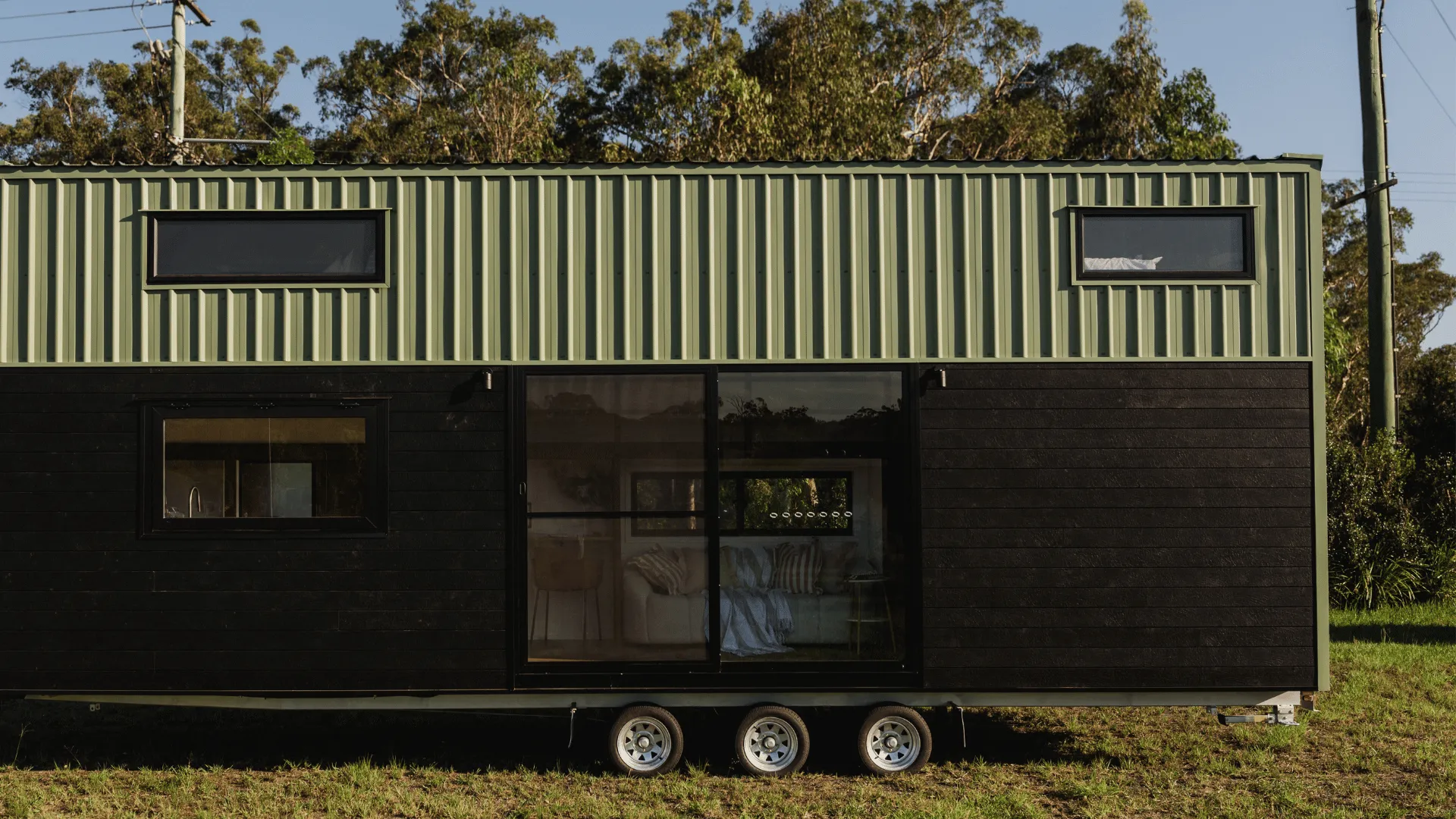
This directory provides direct links to official THOW regulations across Australian states and councils. Use it to quickly locate the specific rules that apply to your intended placement location.
Please note: Not every Australian council is currently included in this directory. We're continuously updating this resource as councils publish clearer THOW guidance. Last updated: November 2025.
Quick Reference: State-Level Overview
Queensland
Classification: Caravan (temporary) or dwelling (permanent)
Primary Resource: QLD Planning
Key Restriction: Rural zones often restrict multiple dwellings
New South Wales
Classification: Council-dependent
Primary Resource: Multiple council guides
Key Restriction: Varies significantly by LGA
Victoria
Classification: Moveable dwelling or caravan
Primary Resource: Small Second Homes
Key Restriction: Long-term residential use restricted in most areas
Western Australia
Classification: Three-tier classification system
Primary Resource: WA Fact Sheet
Key Restriction: 24-month temporary allowance available
South Australia
Classification: Caravan or moveable housing
Primary Resource: SA Planning
Key Restriction: Ancillary to primary dwelling typically required
Tasmania
Classification: Relocatable building or fixed dwelling
Primary Resource: TAS Building Office
Key Restriction: Building approval for residential use
Federal Standards (Apply Nationwide)
Australian Design Rules (ADR) - Maximum Dimensions for Road-Legal THOW:
Width: 2.5m
Height: 4.3m
Length: 12.5m
Weight: 4.5 tonnes ATM
Resources:
Building Standards (Fixed or Permanent THOW):
Queensland Councils
State-Level Guidance:
Council Resources:
Cook Shire: Tiny Home Guidance
Western Downs Regional: Building Fact Sheet
Key Points:
Temporary placement (under 60 days): May be exempt as caravan (council-dependent)
Permanent placement: Requires development approval and building certification
Rural zones: Check for restrictions on secondary dwellings
New South Wales Councils
State Context: NSW operates primarily through council-level regulation with significant local discretion.
Councils with Published THOW Guidance:
Bega Valley Shire: Tiny Homes & Granny Flats
Bellingen Shire: Development Pathways
Byron Shire: Installation & Building Guide
Eurobodalla Shire: Development Information
Hilltops Council: Comprehensive Tiny House Guide
MidCoast Council: Information Guide PDF
Shellharbour City: 2025 Pilot Programme
Shoalhaven City: Camping & Tiny Homes
Snowy Monaro Regional: Development Approval Requirements
Wollondilly Shire: Tiny Homes & Caravans
Additional NSW Resources:
Common NSW Patterns:
Short-term exemptions: Typically 28-90 days depending on council
Long-term placement: Development consent usually required
Minimum lot sizes: Often 450m² for secondary dwellings
Service connections: Required for permanent placement
Victoria Councils
State-Level Guidance:
Council Resources:
Surf Coast Shire: THOW Pilot Programme
Key Victorian Changes:
Amendment VC253 (2024): Reformed secondary dwelling rules
Fixed tiny homes under 60m²: May not require planning permit in residential zones
THOW: Generally treated as moveable dwellings with restrictions on long-term residential use
Western Australia
State-Level Guidance:
WA Classification System:
Caravans/RVs: Mobile, registered, temporary use
Transportable Dwellings: Moveable but intended for permanent placement
Fixed Dwellings: Permanent structures meeting NCC
Key WA Provisions:
Up to 24 months temporary placement with council approval (some areas)
5 nights short-term without approval (varies by council)
Development approval required for permanent residential use
South Australia
State Resources:
Key Points:
THOW typically treated as caravans unless permanently fixed
Approval requirements depend on zoning and duration
Generally must be ancillary to primary dwelling
Tasmania
State Resources:
Key Points:
Distinction between relocatable buildings and fixed dwellings
Building approval required for permanent residential use
Council planning permits depend on local schemes
Before You Purchase
This directory provides starting points for research, but THOW regulations are complex and council-dependent. Before committing to a purchase:
Contact your specific council directly about THOW placement at your intended property address
Verify current rules - regulations are actively changing across Australia
Confirm builder compliance with ADR (if mobile) and NCC (if permanent)
Budget for approvals - development consent, building certification, and connection fees vary significantly
Professional Navigation Support
As Australia's first licensed tiny house buyer's advocate, Tiny House Agency navigates these regulatory requirements daily across Australia.
Our buyer's advocacy service spans from design, to delivery —with a cost-neutral $1,500 retainer credited back at settlement.
Resources:
Browse available homes: THA Marketplace
Learn about buyer representation: Buyer's Agency Services
Disclaimer: This directory is for general reference only and does not constitute legal or professional advice. Regulations change frequently and vary by location. Always verify current requirements with your specific local council and seek professional guidance for your circumstances.