Sustainable Living
Living Green: Sustainable & Off-Grid Choices for Your Tiny Home
1 September 2025
5 min read
Sustainable Living
### Why Choose an Off-Grid, Sustainable Tiny Home in Australia and New Zealand
-
**Lower Environmental Impact**Tiny homes are inherently more energy-efficient due to their reduced size. Coupled with renewable energy systems like solar power, they minimize carbon footprints and reliance on fossil fuels. The [Clean Energy Council](https://www.cleanenergycouncil.org.au/) underscores how solar power benefits the environment and can lead to substantial cost savings over time.
-
**Financial Freedom**Downsizing to an off-grid tiny home can drastically reduce electricity, water, and maintenance expenses. With smaller mortgage or rent costs, you free up funds for travel, hobbies, or savings—particularly appealing for retirees and those seeking a simpler lifestyle.
-
**Focus on Experiences Over Possessions**Living in a compact space encourages you to prioritize meaningful items and experiences, fostering a more deliberate, uncluttered life.
### Essential Off-Grid Systems for Australian and New Zealand Tiny Homes
-
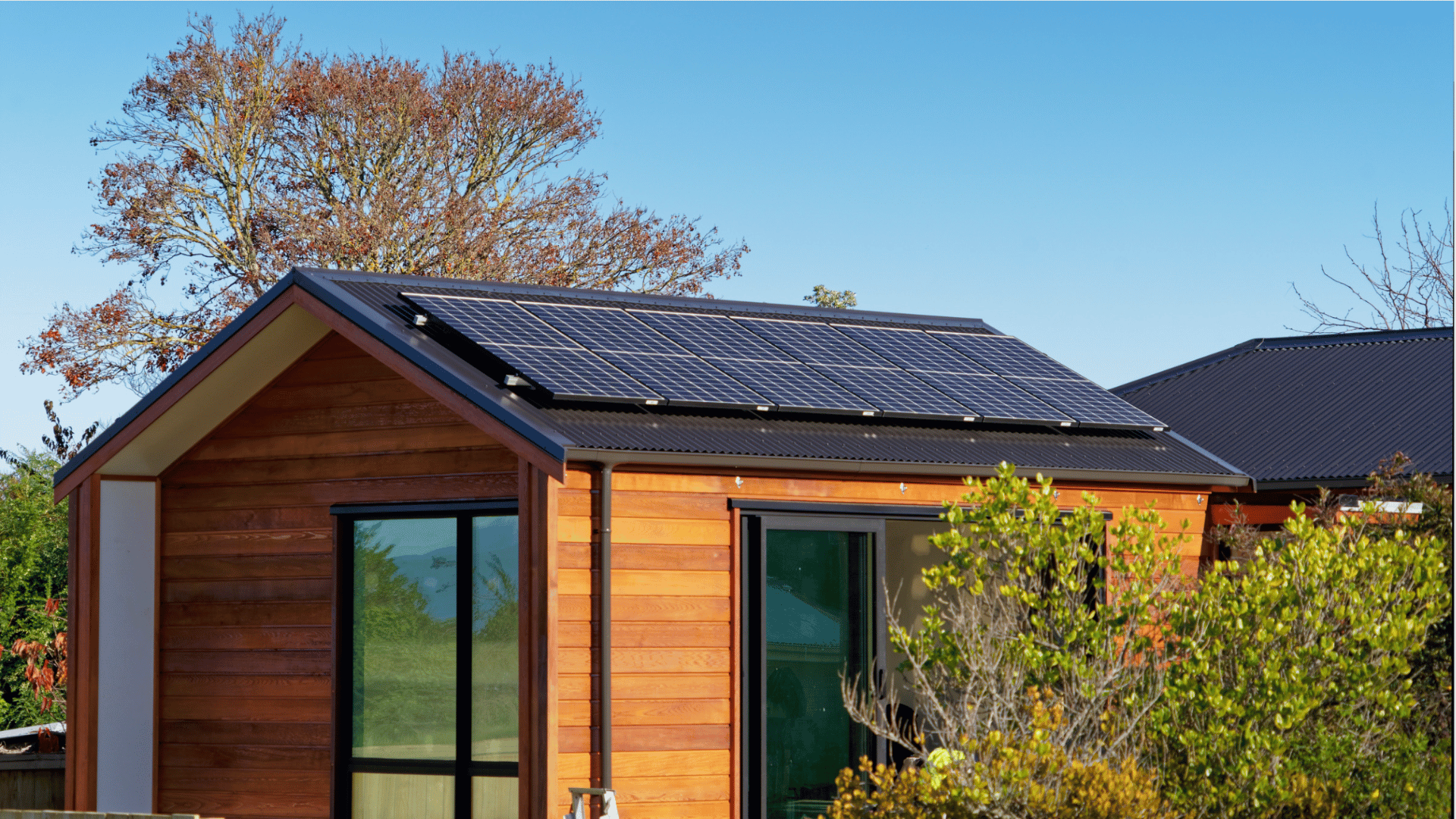
**Solar Power**A solar-powered setup is the cornerstone of off-grid living solutions. Panels and battery storage deliver clean, renewable energy for everyday needs. For Australian and New Zealand conditions, checking resources like [SolarQuotes](https://www.solarquotes.com.au/) can help you understand panel maintenance and region-specific setup tips.
-
**Rainwater Harvesting**Many regions in Australia and New Zealand experience limited rainfall or seasonal variations, making efficient water collection vital. The Queensland Planning Regulations offer guidance on local rules for water tanks and other off-grid installations, while the Australian Government’s YourHome page details strategies for safe storage and filtration.
-
**Composting Toilets and Greywater Systems**Composting toilets eliminate the need for traditional plumbing and minimize water waste. Meanwhile, greywater systems recycle water from sinks and showers for gardening or toilet flushing. [Smart Approved WaterMark](https://www.smartwatermark.org/) provides information on water-saving technologies that can be integrated into your tiny home.
### Choosing Eco-Friendly Materials and Designs
-
**Certified Sustainable Materials**Opt for timber certified by programs like FSC (Forest Stewardship Council) or PEFC (Programme for the Endorsement of Forest Certification) to ensure responsible forest management. The Green Building Council Australia offers insights into sustainable building certifications and materials.
-
**Passive Design Elements**Maximize cross-ventilation and natural light to lower reliance on heating and cooling systems. This approach suits the varied Australian and New Zealand climate, from the cooler southern regions to the tropical northern areas.
-
**Non-Toxic Insulation**Materials like wool or cellulose are both eco-friendly and effective for temperature regulation, enhancing comfort while minimizing environmental impact.
### Challenges and Practical Solutions
-
**Council Approvals**Regulations vary across Australian and New Zealand states. Research your local council rules on off-grid tiny homes—websites like Queensland Planning are a good starting point.
-
**System Maintenance**Solar panels and water filters require regular checks. Partnering with reliable installers or referencing the [Clean Energy Council’s](https://www.cleanenergycouncil.org.au/) guidelines can help maintain these systems.
-
**High Upfront Costs**Though some off-grid systems are costly initially, they often pay for themselves through reduced utility bills. Look for government rebates or incentives that support renewable energy adoption in your area.
### Real-Life Inspiration
Australian and New Zealand retirees have been highlighted in [ABC News](https://www.abc.net.au/news/2024-06-11/retirement-communities-over-55-resorts-solution-housing-crisis/103960106) for opting into tiny homes within retirement communities. These eco-friendly houses, powered by solar or other renewable systems, allow them to reduce living expenses and enjoy a carefree lifestyle. Studies by the [National Seniors Australia](https://nationalseniors.com.au/) also indicate that downsizers experience lower stress and more leisure time, reinforcing the emotional and financial benefits of tiny house living.
### Take the Next Step with Tiny House Agency
If you’re ready to embrace tiny homes, renewable energy, and a simpler lifestyle, **Tiny House Agency** is here to help. We specialize in off-grid living solutions, guiding you through design choices, council approvals, and the integration of systems like solar power or rainwater harvesting for tiny houses.
**Ready to begin?**Book a Consultation or visit [Tiny House Agency](https://www.tinyhouseagency.com.au/) today to explore our services and see how we can turn your sustainable tiny home dreams into reality.
Ready to Start Your Tiny House Journey?
Get expert guidance from Australia's trusted tiny house consultancy. Book your free 15-minute consultation to clarify your vision, budget, and next steps.